

आज की खबर: ISRO Set To Launch 4,400 kg CMS-03 Communication Satellite Aboard ‘Bahubali’ Rocket On Sunday
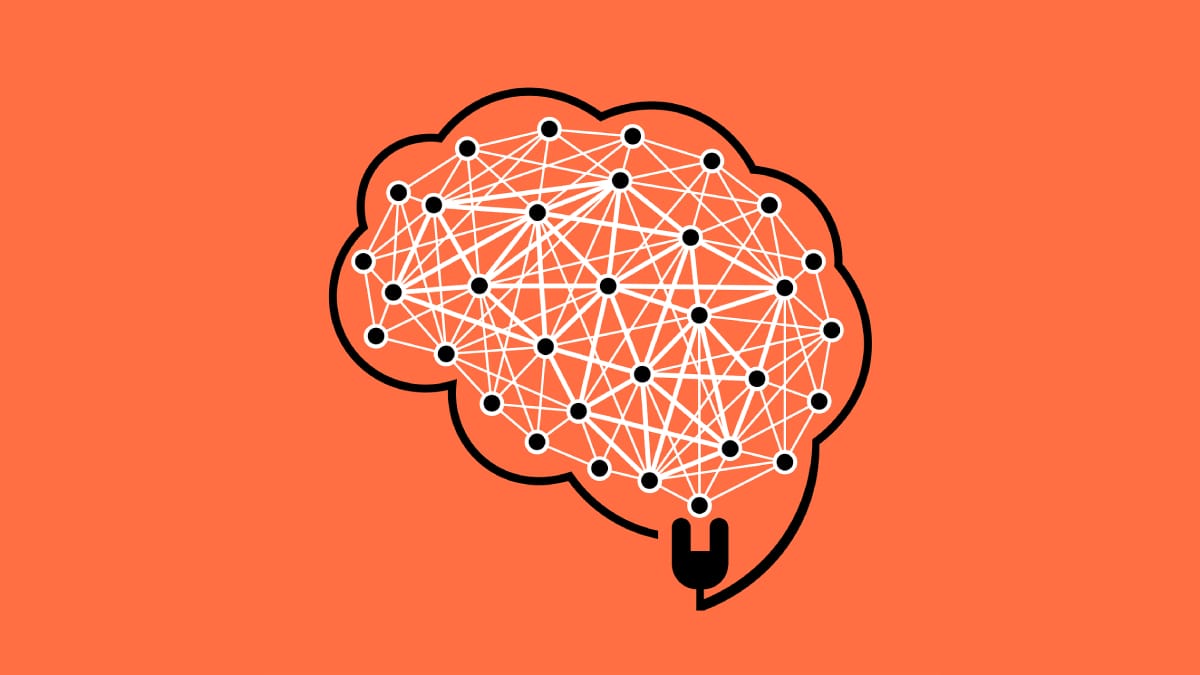
By Anas Shoeb We live in a time when we are interrupted in one way or another by everything from the hot new app we downloaded last weekend that is hip and fun, a random ping or message from our friends and families, and an endless stream of notifications, ads, and text messages. This exposure to all of this stimulation has made our digital lives faster than ever and has also made our brains, which have been wired for nurture by nature for millennia, focus on things like communication, human connection, deep thinking, and reflective thinking, even tougher. Ironically, as we chase after faster Wi-Fi, tools powered by A.I. to increase our productivity, and apps meant to stimulate more interaction with our friends, the real bandwidth crisis is the bandwidth inside our brains. The Bandwidth Battle: Human vs. Machine The average human brain processes approximately 11 million bits of information per second, but we are only aware of about 40 bits. IT IS 40! Every time we switch back and forth from app to app or task, we lose a tiny bit of energy, and the bandwidth crisis piles on all the costs in the compound that pile on from this. That’s a staggering reminder that while our brains are incredibly capable, they’re also selective. The problem arises when constant digital stimulation, social media scrolling, multitasking, and endless notifications force the brain into “survival mode,” fragmenting attention and lowering the ability to retain, reason, or communicate effectively. In neuroscience terms, this leads to cognitive overload. Each switch costs a tiny amount of mental energy, and this builds up over time, leaving people unsure, fragmented, anxious, and possibly even less confident. In a 2023 study by the American Psychological Association, frequent digital multitaskers had sustained attention measures about 40% lower than those who studied, focusing on one task, one idea, or one productive practice at a time. Attention Is The New Intelligence In the new era of algorithms, attention is no longer just a skill…it is an actual currency. The ability to focus deeply, listen actively, and express thoughts clearly now separates great learners and leaders from the rest. The irony? Our educational systems often celebrate memory and information recall while neglecting the cognitive muscles that make learning meaningful, such as attention, comprehension, and emotional regulation. When we let our devices steal our attention, we are, in a sense, giving away part of our intelligence. The likes, alerts, and notifications continuously feed a dopamine cycle that becomes increasingly difficult to break to find significant focus, which is vital for creativity, empathy, and communication. Neuroscientists refer to this as the “dopamine trap,” whereby short bursts of pleasure shut the brain off from longer focuses and pleasures. The Psychological Connection There is also a psychological side to this story. A constant exposure to online environments can diminish confidence in face-to-face interaction, with our recent learners often displaying a greater level of comfort when recording a video or sending a message compared to attending…
पूरा पढ़ें